
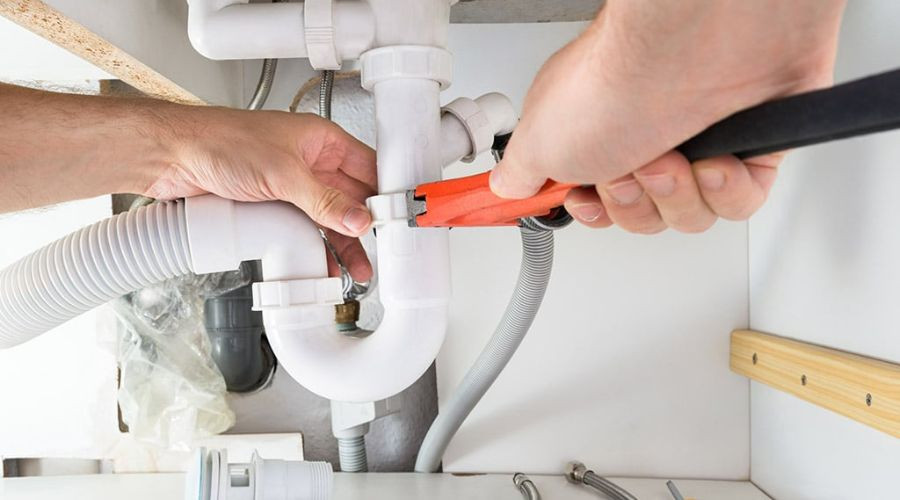
Preventative plumbing maintenance protects your home from catastrophic water damage while lowering your monthly utility expenses. Waiting for a pipe to burst or a sewer line to back up turns a manageable upkeep task into an expensive structural repair emergency. Routine inspections catch minor pinhole leaks, hidden corrosion, and slow line blockages before they ruin flooring, walls, and personal property. Investing a small amount in scheduled maintenance safeguards your home equity and ensures your plumbing infrastructure runs smoothly year-round.
- Stopping Hidden Water Damage Before It Spreads
Small, undetected leaks inside walls or under floorboards cause severe structural damage long before visible water stains appear. Moisture pooling around wooden studs leads to dry rot, weakening the framework that supports your home. At the same time, dark, damp spaces behind drywall create the ideal breeding ground for toxic mold spores that compromise indoor air quality and require invasive biohazard remediation.
Professional preventative maintenance relies on specialized diagnostic tools like moisture meters and video pipe inspection cameras to locate hidden line vulnerabilities. Plumbers identify subtle pressure drops and hairline cracks in copper or PEX lines without tearing down your walls. Resolving these minor defects early eliminates the need for expensive structural reconstruction and mold abatement later on.
- Extending the Lifespan of Plumbing Fixtures and Appliances
Routine maintenance prevents premature wear on high-cost household equipment like water heaters, garbage disposals, and water softeners. Mineral deposits like calcium and lime accumulate rapidly inside pipes and heating tanks, restricting water flow and forcing appliances to work much harder to perform basic functions. This extra mechanical strain accelerates internal component failure, cutting the operational lifespan of expensive appliances in half.
Scheduled flushing of water heaters and descaling of supply lines removes abrasive sediment before it damages heating elements or clogs fixture valves. Keeping supply lines clear and water pressure regulated prevents excessive stress on rubber seals, washers, and solenoid valves. Protecting these mechanical components preserves your manufacturer warranties and delays the heavy financial hit of full appliance replacements.
- Lowering Monthly Utility Bills and Water Waste
You may immediately reduce your monthly water and energy expenditures by fixing little drips and keeping the system pressure at the right level. A single running toilet or dripping faucet wastes thousands of gallons of clean water every year without your knowledge. Higher water bills often signal an active, hidden leak within your main supply line or irrigation system that demands immediate technical attention.
Maintaining balanced water pressure also reduces energy consumption, particularly for hot water systems. When water heaters operate without sediment buildup, heat transfers directly to the water rather than being blocked by an insulating layer of mineral scale. Efficient thermal transfer allows the unit to heat water faster using significantly less electricity or natural gas, keeping your monthly utility expenditures under control.
Conclusion
Preventative lancaster plumbing maintenance is a proactive investment that delivers peace of mind, lower energy bills, and long-term structural protection. Ignoring your plumbing until an active leak floods your basement exposes your household to unnecessary stress and astronomical repair bills. Partnering with a licensed plumber to establish a routine inspection schedule keeps your fixtures operating efficiently and stops minor defects from escalating into major disasters. Taking care of your pipes today guarantees a safe, comfortable, and efficient home for years to come.
About the Author


