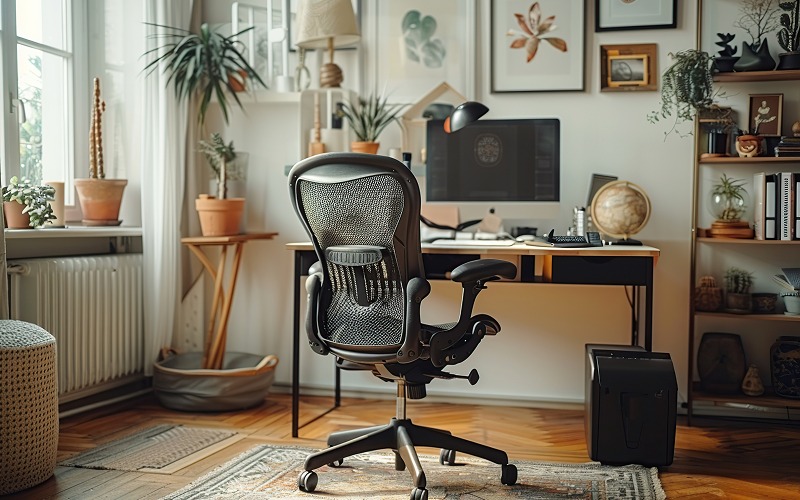
A Better Workday Starts With the Right Seat
- A suitable office chair should support your body during regular desk work.
- Adjustable features help you find a more comfortable sitting position.
- Seat height, back support and desk placement all affect your posture.
- Your work habits and available space should guide your choice.
- A separate 2-seater sofa can provide a relaxed seating area away from your workstation.
Why Is Sitting Well More Important Than Simply Sitting Down?
Working from home can make it easy to overlook the importance of your chair. You might use a dining chair, a spare seat or whatever furniture is available. These options may seem adequate at first, but they might not provide the support you need during long periods at a desk.
The right home office chairs do more than give you somewhere to sit. They should help you maintain a comfortable position while you read, type, attend meetings and complete daily tasks. A chair that suits your body and working habits can make your workspace feel more practical.
Comfort also involves more than soft cushioning. A seat that feels pleasant for a few minutes may become uncomfortable after several hours if its height, depth or back support does not suit you. You should be able to sit with your feet supported, your shoulders relaxed, and your screen positioned at a comfortable viewing height.
This is why choosing an office chair deserves the same thought as selecting a desk or computer. Your seating affects how you use your workspace throughout the day.
What Features Should You Look for in Home Office Chairs?
Not every office chair offers the same features. Some have simple fixed designs, while others include adjustable components that let you change the seating position.
When comparing home office chairs, pay attention to these details:
- Seat height: Your feet should rest comfortably on the floor, with your knees at a suitable angle.
- Backrest support: The backrest should support your back without forcing you into an awkward position.
- Seat depth: There should be enough room to sit comfortably without the front edge pressing against the backs of your knees.
- Armrests: Suitable armrests can help support your arms when they are positioned at a comfortable height.
- Adjustability: Features such as height adjustment and reclining mechanisms can make it easier to adapt the chair to your needs.
- Material: Mesh, fabric and other upholstery options offer different levels of breathability, texture and maintenance.
Your working routine should influence your decision as well. Someone who spends most of the day at a computer may value adjustability and back support more than someone who uses a desk occasionally. If several people share the same workspace, a chair with adjustable settings may be more practical.
How Does Your Workspace Affect Your Sitting Position?
Even a suitable chair may feel uncomfortable if the rest of your workspace is poorly arranged. Your desk height, monitor position and available legroom all affect how you sit.
Start by checking the relationship between your chair and desk. If the desk is too high, you may raise your shoulders while typing. If it is too low, you might lean forward or bend your neck. Adjust the chair where possible, then arrange your keyboard and screen so that you can work without constantly reaching or twisting.
Lighting and room layout matter too. A screen positioned near a window may create glare, while a cramped workstation can limit your ability to move naturally. Leave enough space to pull the chair back and change your sitting position when needed.
It is also helpful to take regular breaks. Stand up, stretch and walk around rather than remaining seated throughout the day. A well-arranged workspace supports comfort, but changing positions is still important.
Should You Create Different Seating Areas at Home?
A home office does not have to serve as the only place where you sit. In fact, separating focused work from relaxation can make your home feel more balanced.
A dedicated office chair belongs at your desk, where you need suitable support for computer-based tasks. A 2-seater sofa, meanwhile, can provide a more relaxed place to read, review printed material or take a break. These two types of seating serve different purposes, so there is little reason to treat them as substitutes.
If your study has limited space, consider placing a compact sofa in another part of the home rather than crowding the workstation. A small living room or bedroom corner may provide enough room for a separate seating area.
TheFurniture offers office chairs for home and work environments through its office chair collection. When comparing the available designs, consider the chair’s dimensions, materials and features alongside the size of your desk. This helps you choose furniture that fits the room as well as your daily routine.
Make Every Working Hour More Comfortable
Sitting down is easy, but sitting well requires a little more thought. The right chair should suit your body, support your working habits and fit comfortably into your home. Small details such as seat height, backrest design and desk placement can all influence your experience.
When choosing home office chairs, look beyond appearance and consider how each design will perform during your regular workday. Keep your workstation arranged for focused tasks, and use other furniture, such as a 2-seater sofa, for reading and relaxation.
Get to know more about TheFurniture to compare available designs and find seating that helps make your home workspace more comfortable and practical.
About the Author