
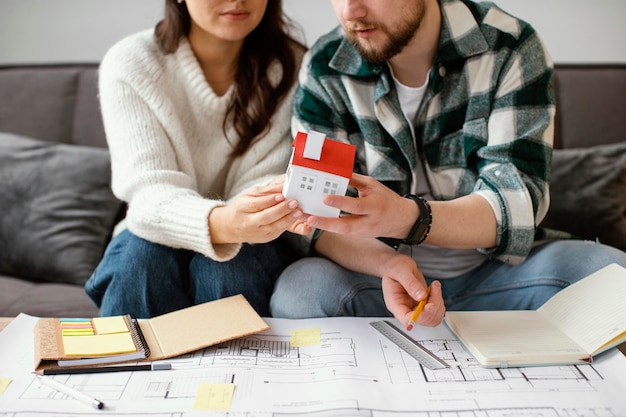
In today’s world, constructing a home is not only about design and functionality—it’s also about preserving the environment for future generations. With increasing awareness of climate change and resource scarcity, many prospective homeowners are turning to eco-friendly house building options to create sustainable and energy-efficient homes. Embracing these practices not only reduces your carbon footprint but also offers long-term financial and health benefits.
The Rise of Sustainable House Construction
The concept of sustainable house construction has evolved from a niche interest into a mainstream priority. This approach focuses on designing and constructing homes that use resources efficiently, reduce waste, and minimize environmental impact. Sustainable building practices include using energy-efficient systems, incorporating renewable energy sources, and optimizing natural light and ventilation. By integrating these strategies, homeowners can reduce utility costs while creating a healthier living environment.
At the core of sustainable house construction is the idea that every element of the building process should contribute to environmental preservation. From the initial planning and design stages to the selection of materials and construction methods, each decision influences the overall ecological footprint of your home. A sustainable house is built not only for the present but also with an eye toward a greener future.
Choosing Green Building Materials for Houses
One of the most impactful decisions in eco-friendly construction is the selection of green building materials for houses. These materials are sourced responsibly, often featuring recycled content, low energy consumption during production, and minimal environmental impact. For example, reclaimed wood, recycled metal, and bamboo are popular choices that provide durability while reducing the need for new raw materials.
Green building materials for houses also include eco-friendly insulation options such as cellulose, which is made from recycled paper, or sheep’s wool, a renewable resource. Energy-efficient windows, low-VOC paints, and sustainable roofing options like metal or recycled shingles further contribute to the environmental friendliness of your home. Each of these components plays a vital role in creating a structure that is not only visually appealing but also kind to the planet.
Integrating Renewable Energy Solutions
No discussion of environmentally friendly house building is complete without addressing renewable energy solutions. Solar panels, wind turbines, and geothermal systems are increasingly becoming standard features in green home construction. Incorporating these technologies can drastically reduce your reliance on fossil fuels and lower your overall energy bills.
Installing solar panels on the roof, for instance, can provide a significant portion of your household’s electricity needs. Similarly, geothermal heating and cooling systems harness the consistent temperature of the earth to regulate your home’s climate, offering an efficient alternative to traditional HVAC systems. These renewable energy systems are an essential component of environmentally friendly house building, making your home not only self-sufficient but also a beacon of sustainable innovation.
Water Efficiency and Waste Reduction
In addition to energy efficiency, eco-friendly house building options also encompass water conservation and waste reduction strategies. Water-efficient fixtures, rainwater harvesting systems, and greywater recycling are effective ways to reduce water consumption. By integrating these systems, your home can utilize water more efficiently, reducing the strain on local resources and lowering your utility bills.
Waste reduction is another critical aspect. Implementing recycling and composting systems, as well as choosing materials that generate minimal waste during production, can significantly lower your environmental impact. These practices not only contribute to a cleaner, greener home but also set a positive example for sustainable living in your community.
The Importance of Environmentally Friendly House Building
Environmentally friendly house building is a comprehensive approach that goes beyond selecting green materials and renewable energy. It’s about creating a harmonious relationship between your home and the natural world. This philosophy emphasizes the importance of designing homes that blend seamlessly with their surroundings, utilizing natural landscapes and local ecosystems as integral parts of the overall design.
For example, strategically positioning your home to take advantage of natural sunlight can reduce the need for artificial lighting and heating during the day. Thoughtful landscaping that incorporates native plants not only enhances curb appeal but also supports local biodiversity. This holistic approach ensures that every element of your home, from construction to daily operation, contributes to environmental stewardship.
Long-Term Benefits of Eco-Friendly Construction
Adopting eco-friendly house building options offers substantial long-term benefits. Environmentally sustainable homes typically have lower operating costs, thanks to energy-efficient systems and reduced water usage. Additionally, these homes often enjoy a higher resale value as more buyers prioritize sustainability and green living.
Beyond financial advantages, building an eco-friendly home contributes to a healthier living environment. Reduced exposure to toxic materials and improved air quality create a space that supports your well-being. The combination of these factors makes eco-friendly construction a sound investment, both economically and environmentally.
Tips for a Successful Eco-Friendly Build
To ensure a successful project, consider the following practical strategies:
- Thorough Research: Before starting your build, research the latest trends in sustainable house construction and green building materials for houses. Attend workshops, consult with experts, and visit model homes to gather ideas.
- Set Clear Goals: Define your priorities early on. Whether it’s energy efficiency, water conservation, or minimal waste, having clear objectives will guide your decisions throughout the project.
- Collaborate with Professionals: Work with architects and builders who specialize in environmentally friendly house building. Their expertise can help you navigate challenges and ensure that your home meets high standards of sustainability.
- Plan for the Future: Incorporate renewable energy systems and water conservation measures that will pay off over time. Consider the long-term savings and environmental benefits when selecting materials and technologies.
- Monitor Progress: Regular inspections and quality checks are crucial. Ensure that every component, from the foundation to the finishing touches, aligns with your eco-friendly goals.
Final Thoughts
The journey to constructing an eco-friendly home is both an exciting and responsible endeavor. By focusing on eco-friendly house building options and prioritizing sustainable house construction, you create a home that stands as a testament to modern innovation and environmental stewardship. With green building materials for houses and thoughtful design principles, your home will not only be beautiful and functional but also kind to the planet.
Embracing environmentally friendly house building is a commitment to a greener future. It means making choices that benefit both your immediate quality of life and the long-term health of the environment. With careful planning, the right materials, and a holistic approach to design and construction, you can build a home that reflects your values and provides lasting value.
Investing in sustainable practices is more than a trend—it’s a responsibility that ensures future generations inherit a healthier, more vibrant world. With each eco-friendly choice you make, you contribute to a legacy of innovation, resilience, and conscientious living. Happy building, and may your eco-friendly home be a source of pride, inspiration, and environmental harmony for years to come!
About the Author


